
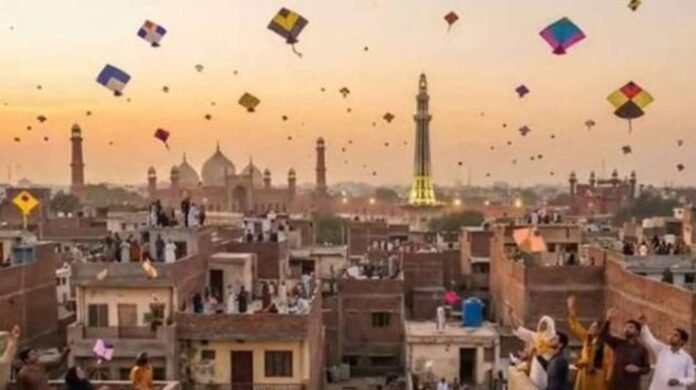
In February 2026, Lahore witnessed something many thought they would never see again — a sky filled with colorful kites, rooftops alive with laughter, and the echo of “Bo Kaata!” ringing through the old city. After years of restrictions and debate, Basant returned, bringing with it not just a festival, but a revival of cultural identity.
Basant has always been more than kite flying. Traditionally celebrated at the arrival of spring, the festival paints Lahore in shades of yellow — from clothing and decorations to flowers and festive foods. In 2026, the city embraced the celebration with renewed excitement and cautious responsibility.
From the narrow streets of the Walled City to the modern neighborhoods of DHA and Gulberg, rooftops became gathering spots for families and friends. Children learned how to hold the “paich” (kite string battle), elders shared stories of Basant from the 1980s and 1990s, and music filled the air late into the evening.
Markets such as Anarkali and Shah Alami bustled with customers buying kites of every size and color — from simple paper kites to beautifully designed masterpieces. Street vendors sold traditional foods like samosas, jalebi, chaat, and pakoras, adding flavor to the festive atmosphere.
Unlike the past, Basant 2026 was organized with strict safety measures. Authorities banned dangerous metal and chemical-coated strings and allowed only approved cotton thread. Law enforcement increased rooftop monitoring, and public awareness campaigns reminded citizens to celebrate responsibly. While minor incidents were reported, overall the event reflected a more disciplined and organized celebration compared to previous decades.
The return of Basant also boosted Lahore’s economy. Kite makers, many of whom had abandoned their craft years ago, returned to work. Small businesses, transport services, restaurants, and event organizers experienced increased activity. Tourists from other cities and overseas Pakistanis visited Lahore specifically to witness the revival of Basant, filling hotels and sharing vibrant images of the colorful skyline on social media.
As the sun set and lanterns lit up rooftops, it became clear that Basant 2026 was not just about nostalgia. It symbolized resilience — a reminder that traditions can adapt and survive. For a few days, political debates, daily stress, and social differences faded into the background as people gathered simply to celebrate spring, freedom, and togetherness.
Basant 2026 marked a new chapter in Lahore’s cultural history. The yellow clothes, the music, the food, and the colorful kites once again made Lahore feel like the heart of celebration, proving that when the sky of Lahore is full of kites, the city truly feels alive again.